2022 · Devices & clinical
Acute ischaemic stroke associated with SARS-CoV-2 infection in North America
Dmytriw AA, Dibas M, Phan K, Efendizade A, Ospel J, Schirmer C, Settecase F, Heran MKS, Kühn AL, Puri AS, Menon BK, Sivakumar S, Mowla A, Vela-Duarte D, Linfante I, Dabus GC, Regenhardt RW, D'Amato S, Rosenthal JA, Zha A, Talukder N, Sheth SA, Hassan AE, Cooke DL, Leung LY, Malek AM, Voetsch B, Sehgal S, Wakhloo AK, Goyal M, Wu H, Cohen J, Ghozy S, Turkel-Parella D, Farooq Z, Vranic JE, Rabinov JD, Stapleton CJ, Minhas R, Velayudhan V, Chaudhry ZA, Xavier A, Bullrich MB, Pandey S, Sposato LA, Johnson SA, Gupta G, Khandelwal P, Ali L, Liebeskind DS, Farooqui M, Ortega-Gutierrez S, Nahab F, Jillella DV, Chen K, Aziz-Sultan MA, Abdalkader M, Kaliaev A, Nguyen TN, Haussen DC, Nogueira RG, Haq IU, Zaidat OO, Sanborn E, Leslie-Mazwi TM, Patel AB, Siegler JE, Tiwari A, North American Neurovascular COVID-19 (NAN-C) Consortium & Society of Vascular and Interventional Neurology (SVIN) Investigators.
J Neurol Neurosurg Psychiatry 93(4):360-368, 2022.
PMID 35078916 · DOI 10.1136/jnnp-2021-328354
In plain language
Ischemic stroke happens when a blocked artery cuts off blood flow to part of the brain. This study examined strokes in people with COVID-19 to learn which factors predict a poor recovery.
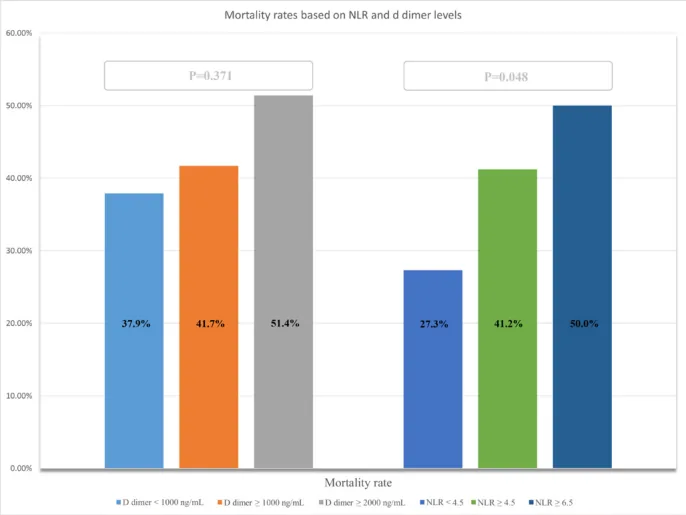
Researchers reviewed 216 patients with COVID-19 and stroke treated at 30 stroke centers in the United States and Canada between March and August 2020. About 51.3% had a poor outcome, meaning severe disability or death at discharge, and 39.1% died. Age over 60, diabetes, more severe stroke symptoms on arrival, blockage of a large brain artery, and a higher neutrophil to lymphocyte ratio (a blood marker of inflammation) were linked with worse outcomes.
Poor outcomes were more common than global averages, and the inflammation marker, rather than D-dimer, predicted both disability and death.
A plain-language summary for patients and families. It is not medical advice, and individual results vary.
Abstract
Background
To analyse the clinical characteristics of COVID-19 with acute ischaemic stroke (AIS) and identify factors predicting functional outcome.
Methods
Multicentre retrospective cohort study of COVID-19 patients with AIS who presented to 30 stroke centres in the USA and Canada between 14 March and 30 August 2020. The primary endpoint was poor functional outcome, defined as a modified Rankin Scale (mRS) of 5 or 6 at discharge. Secondary endpoints include favourable outcome (mRS ≤2) and mortality at discharge, ordinal mRS (shift analysis), symptomatic intracranial haemorrhage (sICH) and occurrence of in-hospital complications.
Results
A total of 216 COVID-19 patients with AIS were included. 68.1% (147/216) were older than 60 years, while 31.9% (69/216) were younger. Median [IQR] National Institutes of Health Stroke Scale (NIHSS) at presentation was 12.5 (15.8), and 44.2% (87/197) presented with large vessel occlusion (LVO). Approximately 51.3% (98/191) of the patients had poor outcomes with an observed mortality rate of 39.1% (81/207). Age >60 years (aOR: 5.11, 95% CI 2.08 to 12.56, p<0.001), diabetes mellitus (aOR: 2.66, 95% CI 1.16 to 6.09, p=0.021), higher NIHSS at admission (aOR: 1.08, 95% CI 1.02 to 1.14, p=0.006), LVO (aOR: 2.45, 95% CI 1.04 to 5.78, p=0.042), and higher NLR level (aOR: 1.06, 95% CI 1.01 to 1.11, p=0.028) were significantly associated with poor functional outcome.
Conclusion
There is relationship between COVID-19-associated AIS and severe disability or death. We identified several factors which predict worse outcomes, and these outcomes were more frequent compared to global averages. We found that elevated neutrophil-to-lymphocyte ratio, rather than D-Dimer, predicted both morbidity and mortality.
Abstract as indexed in PubMed (PMID 35078916). Copyright the publisher.
Cite this paper
Dmytriw AA, Dibas M, Phan K, Efendizade A, Ospel J, Schirmer C, Settecase F, Heran MKS, Kühn AL, Puri AS, Menon BK, Sivakumar S, Mowla A, Vela-Duarte D, Linfante I, Dabus GC, Regenhardt RW, D'Amato S, Rosenthal JA, Zha A, Talukder N, Sheth SA, Hassan AE, Cooke DL, Leung LY, Malek AM, Voetsch B, Sehgal S, Wakhloo AK, Goyal M, Wu H, Cohen J, Ghozy S, Turkel-Parella D, Farooq Z, Vranic JE, Rabinov JD, Stapleton CJ, Minhas R, Velayudhan V, Chaudhry ZA, Xavier A, Bullrich MB, Pandey S, Sposato LA, Johnson SA, Gupta G, Khandelwal P, Ali L, Liebeskind DS, Farooqui M, Ortega-Gutierrez S, Nahab F, Jillella DV, Chen K, Aziz-Sultan MA, Abdalkader M, Kaliaev A, Nguyen TN, Haussen DC, Nogueira RG, Haq IU, Zaidat OO, Sanborn E, Leslie-Mazwi TM, Patel AB, Siegler JE, Tiwari A, North American Neurovascular COVID-19 (NAN-C) Consortium & Society of Vascular and Interventional Neurology (SVIN) Investigators. Acute ischaemic stroke associated with SARS-CoV-2 infection in North America. J Neurol Neurosurg Psychiatry 93(4):360-368. 2022. doi:10.1136/jnnp-2021-328354 PMID: 35078916.